
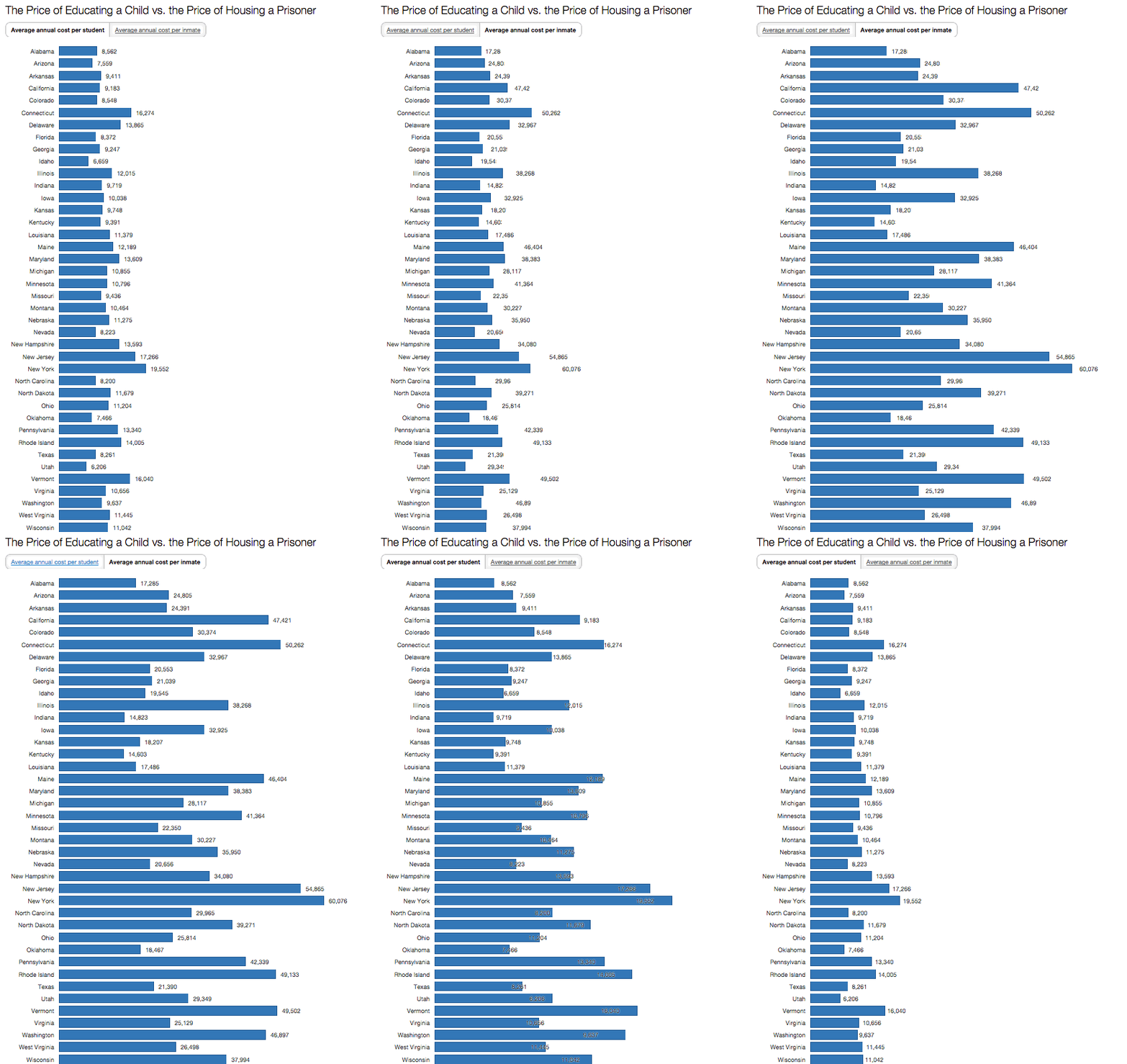
Title: The Transformation of Nebraska’s Prison System: From Rehabilitation to Detention In an unexpected turn of events, the state of Nebraska has transformed its minimum-security prison aimed at rehabilitating inmates into a detention center for immigrants under ICE (Immigration and Customs Enforcement) custody. This decision raises several questions about the future of criminal justice reform and immigration policy within the United States. For over two decades, this Nebraska prison was known as a beacon of hope in the field of rehabilitation. It provided inmates with opportunities to learn new skills, receive education, and prepare themselves for life outside bars upon their release. The success stories from this facility were numerous, contributing significantly to reducing recidivism rates across the state. However, recent changes have seen the prison’s focus shift dramatically. State officials decided to convert it into an ICE detention center, accepting payment from federal authorities in exchange for housing undocumented immigrants awaiting deportation proceedings or those who have been apprehended at the border. This move has sparked controversy among local residents and criminal justice advocates alike, questioning whether this decision is truly beneficial to either group of individuals involved – the former prisoners turned detainees or the newcomers facing potential deportation. The implications of such a transformation are far-reaching. Firstly, it raises concerns about the effectiveness of rehabilitation programs within prisons across America. If states can so easily abandon these initiatives in favor of more lucrative contracts with federal agencies like ICE, what does this mean for future investments in criminal justice reform? Secondly, there are serious human rights implications at stake here. Detaining immigrants under harsh conditions often leads to mental health issues and exacerbates existing trauma experienced by these individuals before their arrival at the detention center. Moreover, it sets a dangerous precedent where prisons designed for rehabilitation become tools of mass incarceration instead. From my perspective, this transformation highlights the urgent need for comprehensive reforms in both criminal justice systems and immigration policies within the United States. It underscores the importance of investing in programs that promote genuine rehabilitation rather than simply warehousing individuals behind bars or cages. Furthermore, it calls attention to the fact that our society must address systemic issues related to race, class, and citizenship if we are ever going to create a just and equitable nation for all its inhabitants. In conclusion, while Nebraska’s decision may seem like an isolated incident on the surface, it serves as a stark reminder of how interconnected our systems truly are. It is time for us to reevaluate our priorities when it comes to criminal justice reform and immigration policy, ensuring that we prioritize human dignity over profit margins or political agendas.
Source: [Original Article](https://www.nytimes.com/2025/12/07/us/nebraska-prison-mccook-ice-immigrants-detention-trump.html)
#this
Check out my AI projects on Hugging Face, join our community on Discord, and explore my services at GhostAI!