
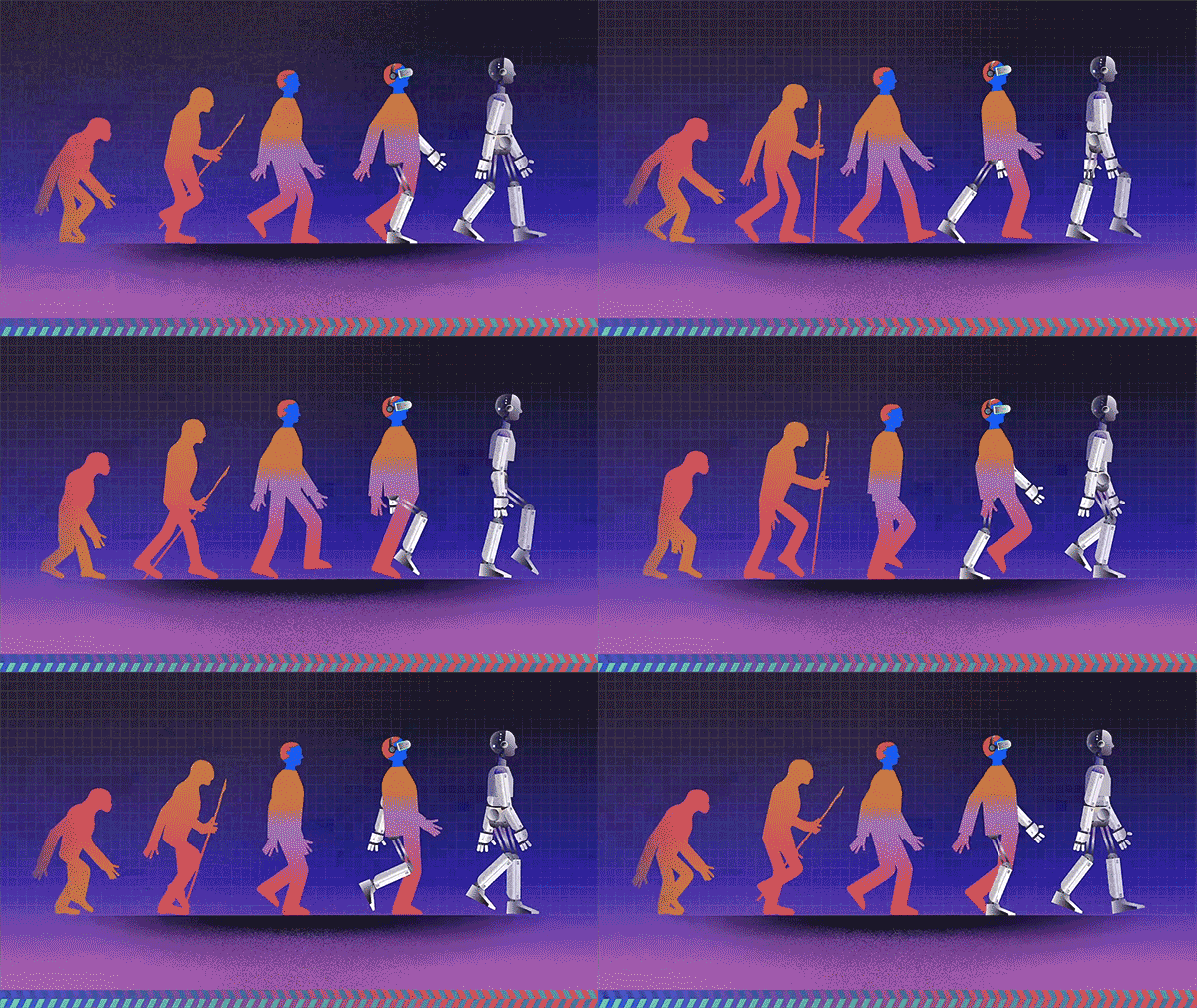
The evolution of conversational AI has brought numerous benefits to our daily lives, making communication more efficient and accessible than ever before. However, this rapid advancement also comes with its fair share of ethical challenges that need to be addressed.
One major concern is the issue of privacy. As these systems become increasingly sophisticated in their ability to understand human speech patterns and emotions, they are collecting vast amounts of data on individuals’ conversations. This raises questions about how this information should be stored, used, and protected from potential misuse or breaches. It also highlights the need for clear guidelines regarding consent and transparency when it comes to data collection practices.
Another ethical challenge is related to bias in AI algorithms. Since these systems learn from human input, they can unintentionally perpetuate existing biases present within society. This could lead to unfair treatment or discrimination based on factors such as race, gender, age, etc., which would be highly problematic for a technology designed to facilitate communication and understanding between people. To mitigate this issue, it is crucial that developers take steps to ensure their AI systems are trained using diverse datasets free from any form of prejudice.
In conclusion, while the evolution of conversational AI has undoubtedly brought about many positive changes in our lives, we must also be mindful of its potential ethical pitfalls. By addressing these challenges head-on and implementing robust safeguards against privacy breaches and algorithmic bias, we can ensure that this technology continues to serve as a valuable tool for enhancing human communication without causing harm or exacerbating existing inequalities.
#TechTrends #TechInsights #Innovation #Insights #Trends #ConversationalAIEvolution #ethicalchallenges
Join our Business Discord: https://discord.gg/y3ymyrveGb
Check out our Hugging Face and services on LinkedIn: https://www.linkedin.com/in/ccengineering/