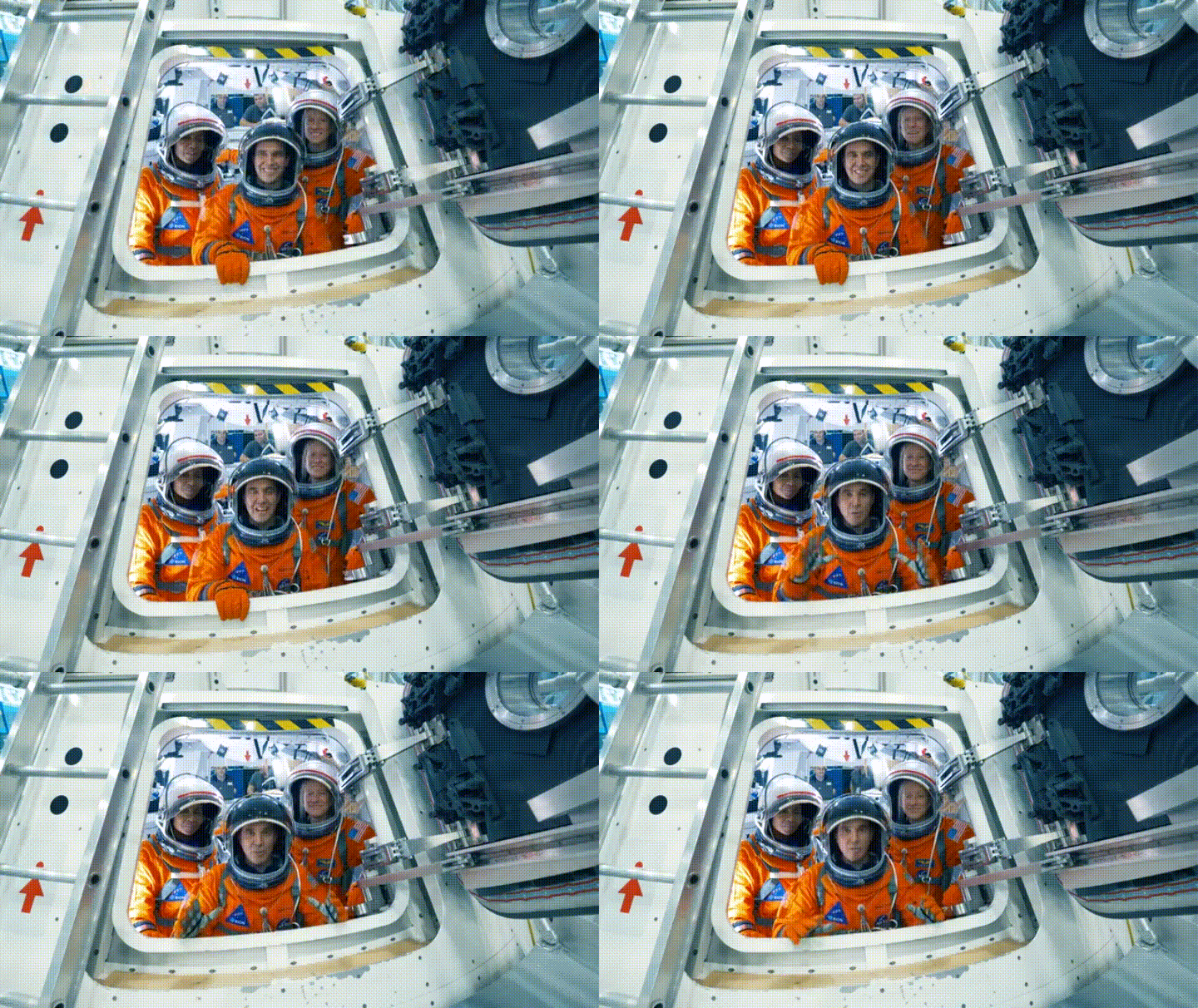

Title: WATCH: Readjusting to Life on Earth After Space Travel – A Comprehensive Analysis of Dr. Aleksandra Stankovic’s Insights In today’s world where space exploration is becoming increasingly common, it is essential to understand the challenges that astronauts face when they return to Earth after spending an extended period in space. The Artemis II crew will soon experience this reality as they embark on their journey back home from their mission beyond our planet. To better comprehend what these brave individuals might go through, we turn to Dr. Aleksandra Stankovic of Harvard Medical School for her expert insights. Dr. Stankovic has dedicated years of research towards understanding the physiological changes that occur in astronauts during space travel and their subsequent readjustment upon returning to Earth. Her findings provide valuable information about potential health risks, as well as strategies for mitigating these issues. In her recent article, she outlines several key factors that will play a significant role in the first few days of the Artemis II crew’s return: 1. Cardiovascular Adaptations: After spending months or even years in microgravity, astronauts must re-adapt to Earth’s gravity when they land. This sudden change can lead to increased blood pressure and heart rate as their bodies work hard to pump blood against the force of gravity once more. Dr. Stankovic emphasizes the importance of monitoring these vital signs closely during this period, ensuring that any potential complications are addressed promptly. 2. Musculoskeletal Changes: Prolonged exposure to microgravity causes muscle atrophy and bone density loss in astronauts. Upon their return to Earth, they may experience discomfort or even pain due to these changes. Dr. Stankovic recommends implementing targeted exercise programs before and after space travel to help maintain optimal musculoskeletal health. 3. Psychological Impact: The stress of living in a confined environment for an extended period can take its toll on astronauts’ mental well-being. Additionally, the fear of re-entry and landing adds another layer of anxiety. Dr. Stankovic advises providing psychological support services to help crew members cope with these challenges effectively. 4. Nutritional Needs: Space travel often leads to changes in appetite and digestion, which can affect an astronaut’s nutrient intake. Ensuring that the Artemis II crew receives proper nutrition during their mission is crucial for maintaining overall health upon their return. Dr. Stankovic suggests working closely with dietitians and nutritionists to develop meal plans tailored specifically for space travel. The historical context of this news event cannot be ignored, as it marks a significant milestone in human exploration beyond our planet. As we continue to push the boundaries of what is possible, understanding how best to support astronauts during their missions and upon their return will become increasingly important. The insights provided by Dr. Stankovic offer valuable guidance for future space travelers, ensuring that they can face these challenges head-on while minimizing potential risks. In conclusion, the readjustment process faced by the Artemis II crew is a complex and multifaceted issue requiring careful consideration from various perspectives. By heeding Dr. Stankovic’s advice and implementing her recommendations, we can help pave the way for safer and more successful space missions in the future. As humanity ventures further into the cosmos, understanding these challenges will be crucial to ensuring that our explorers return home healthy and ready to share their experiences with us all.
Source: [Original Article](https://abcnews.com/video/131935241/)
#watch:
Check out my AI projects on Hugging Face, join our community on Discord, and explore my services at GhostAI!